

The complete guide
How To Choose Curtain Track Hooks That Actually Fit
The small part that ruins a good curtain
Curtains are judged on how they hang. A heavy lined drape with a few failed hooks will droop in the middle, show a gap at the top, and look creased no matter how well it was made. Most of the time the fabric is fine. The problem is three or four small pieces of metal or plastic hidden behind the header.
Plastic hooks are the usual culprit. They are cheap to make and they work well enough when the curtain is new and light. Add a thermal lining, a few years of opening and closing, and the warmth of a sunny window, and the plastic slowly relaxes. The hook opens a fraction, the curtain slips, and one day a pleat is just hanging there on its own.
Metal curtain track hooks solve that in the simplest way possible. The metal does not soften in heat and does not creep under load. It either holds or, in rare cases, it bends and you can see immediately what happened. There is no slow, invisible failure.
How a curtain hook actually works
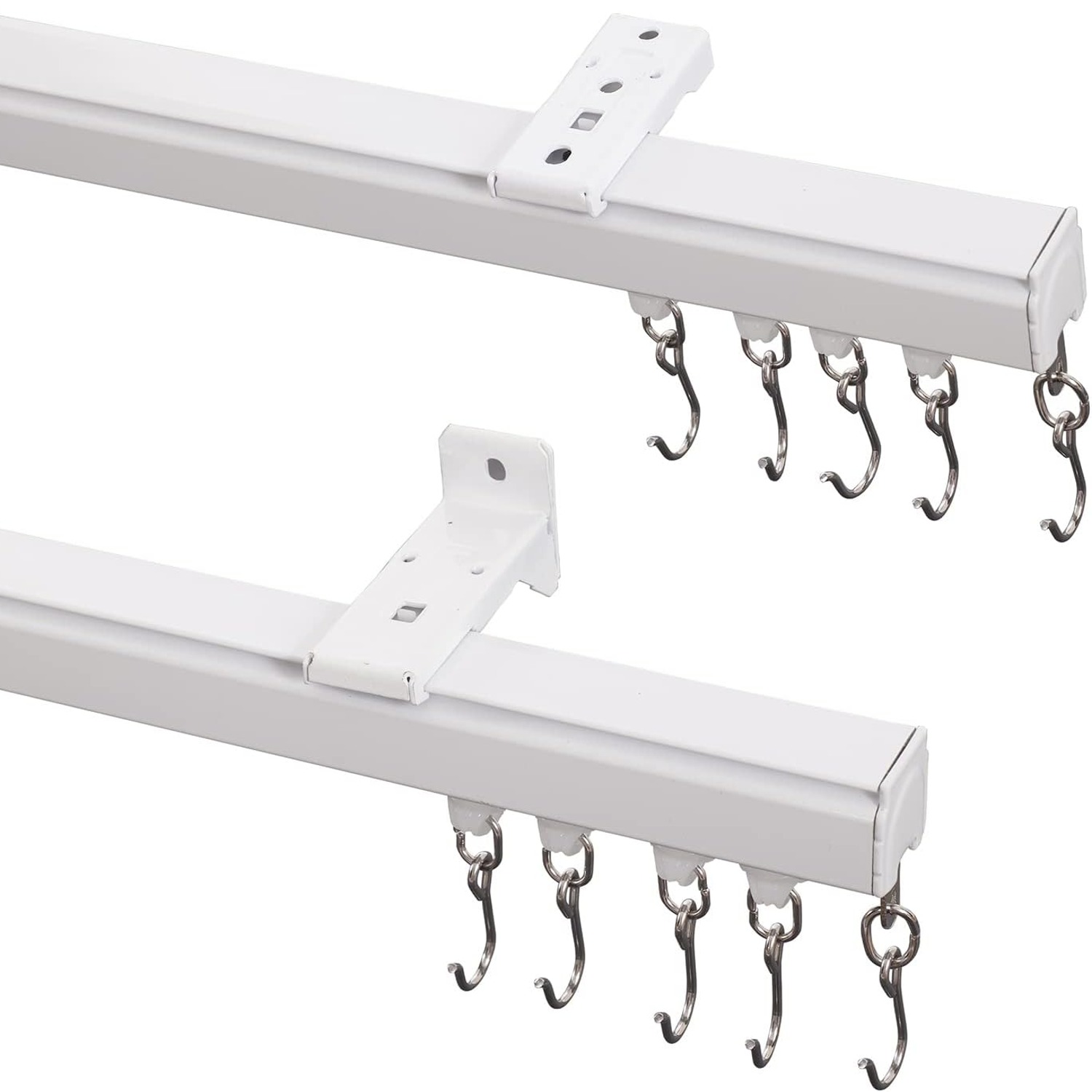
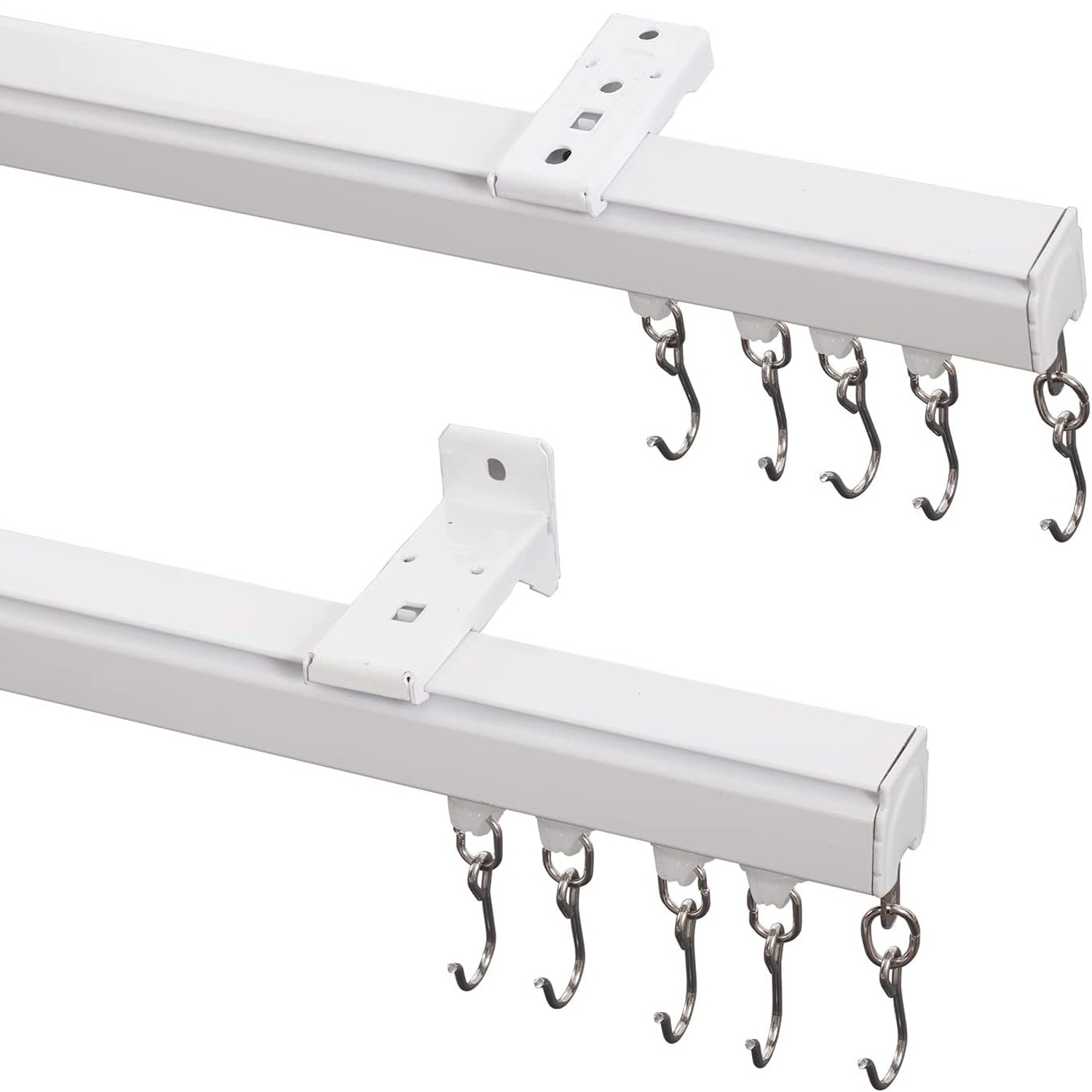
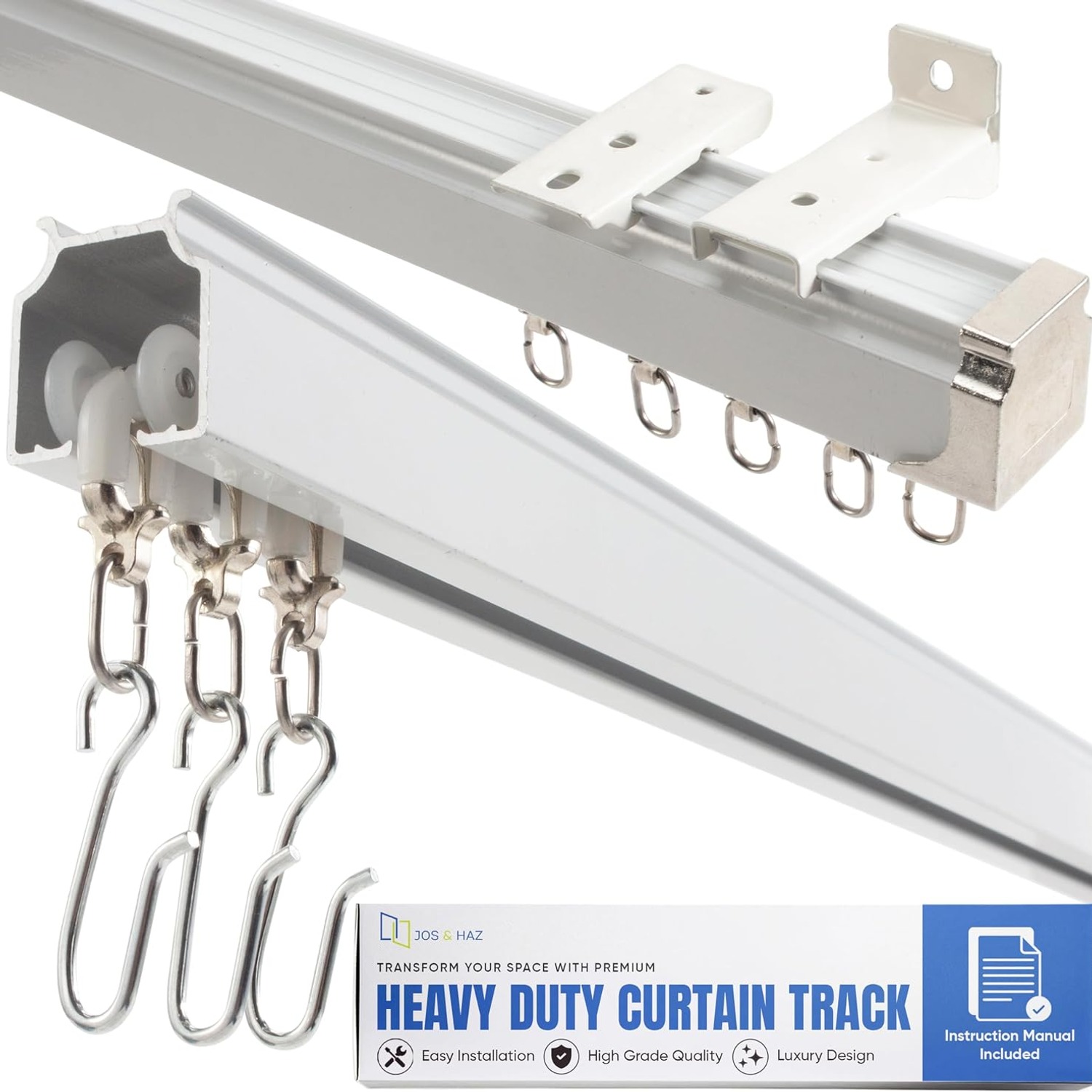
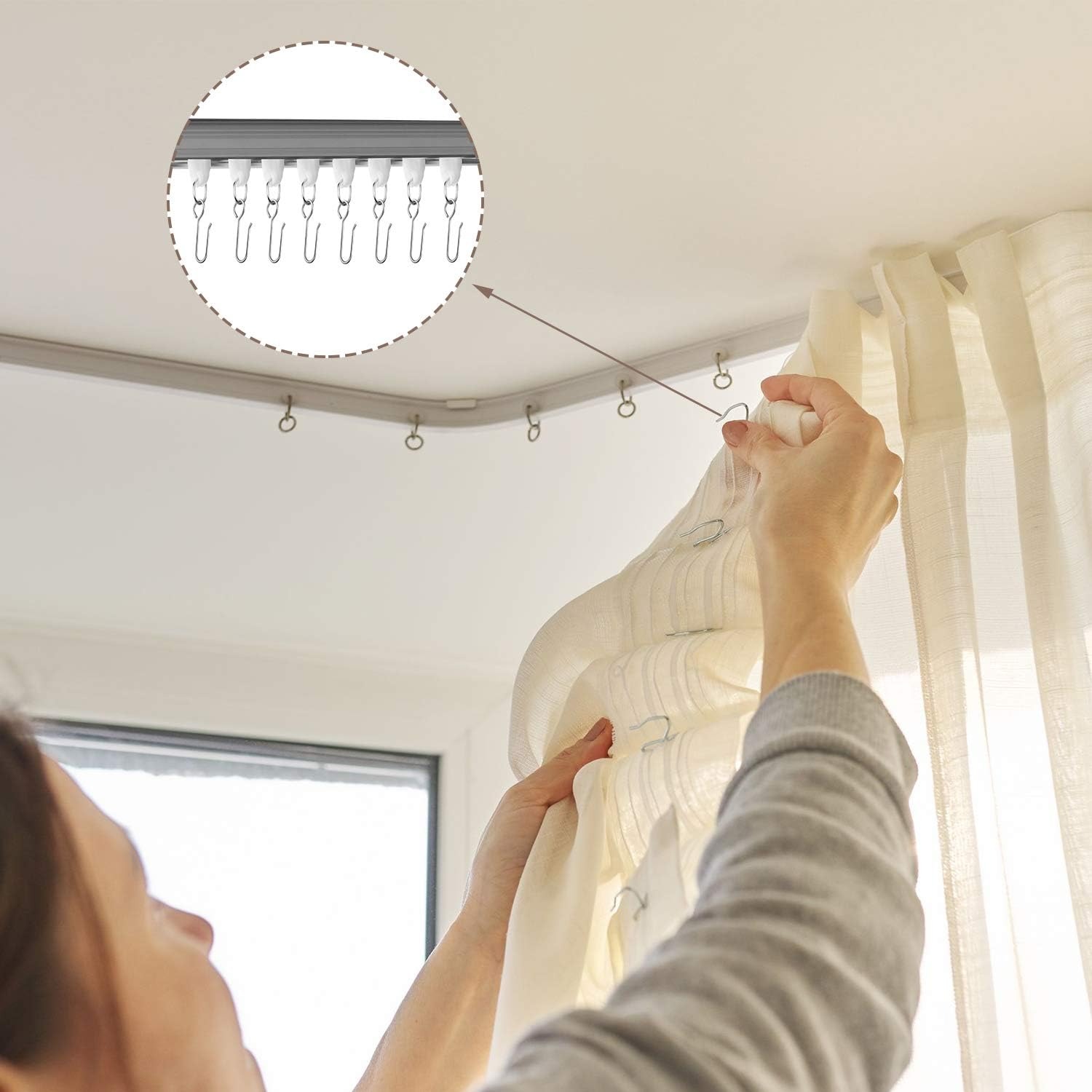
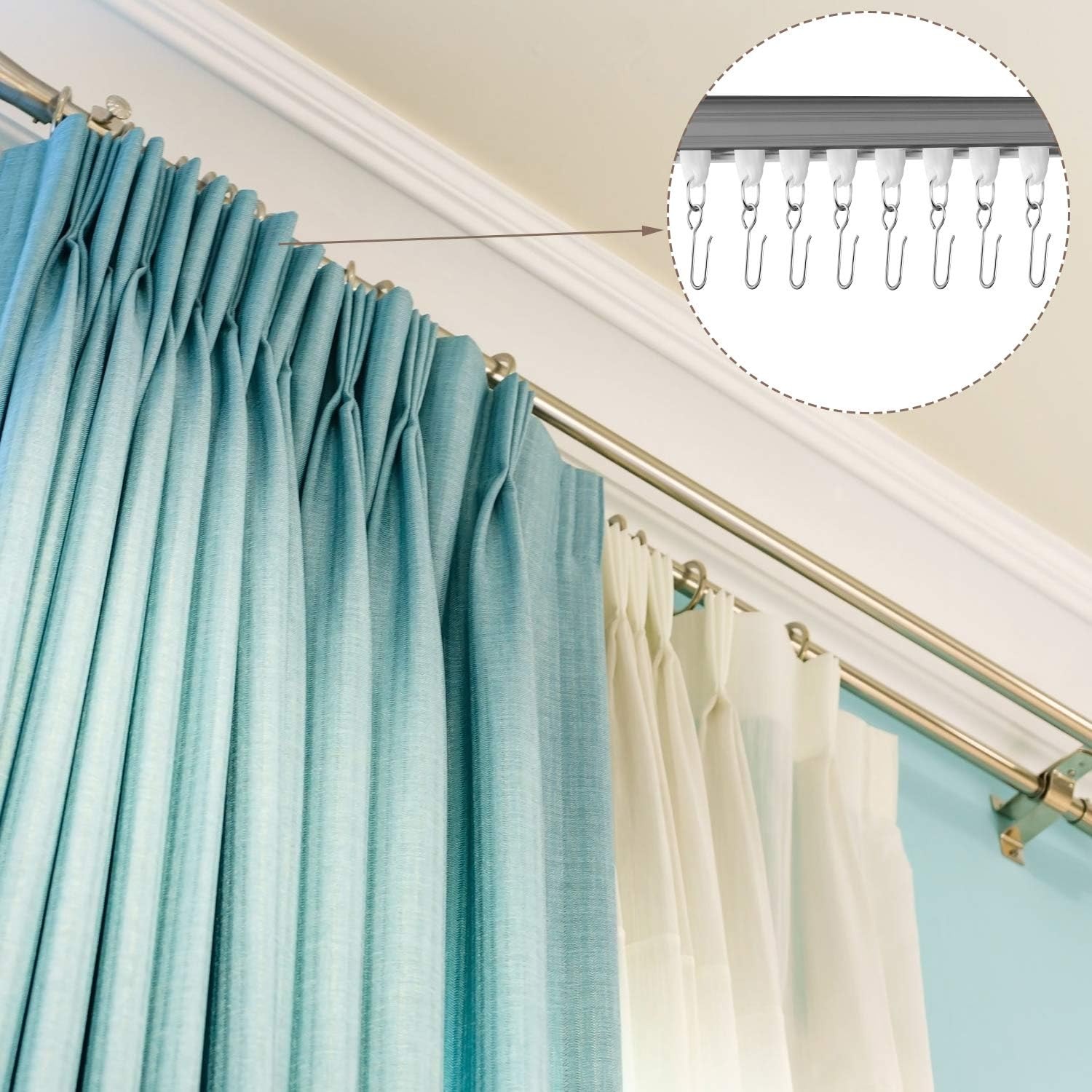
The system is older than most houses and it has barely changed. Your curtain has a woven band sewn across the top called heading tape. That tape has rows of small pockets. Above the curtain, your track has gliders running inside it, and each glider has a small loop hanging from the bottom. If you have a pole instead of a track, the rings on the pole have the same loop underneath.
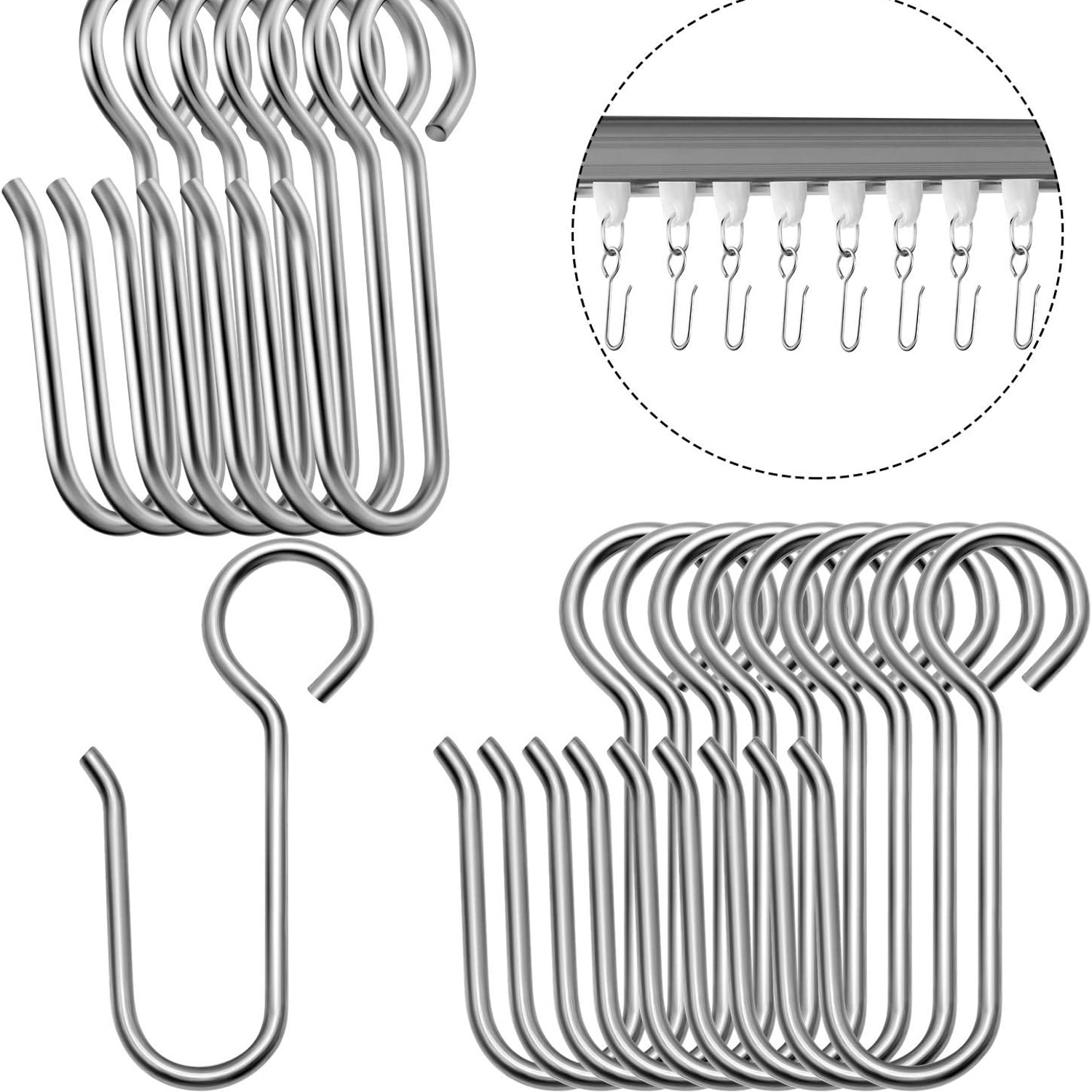
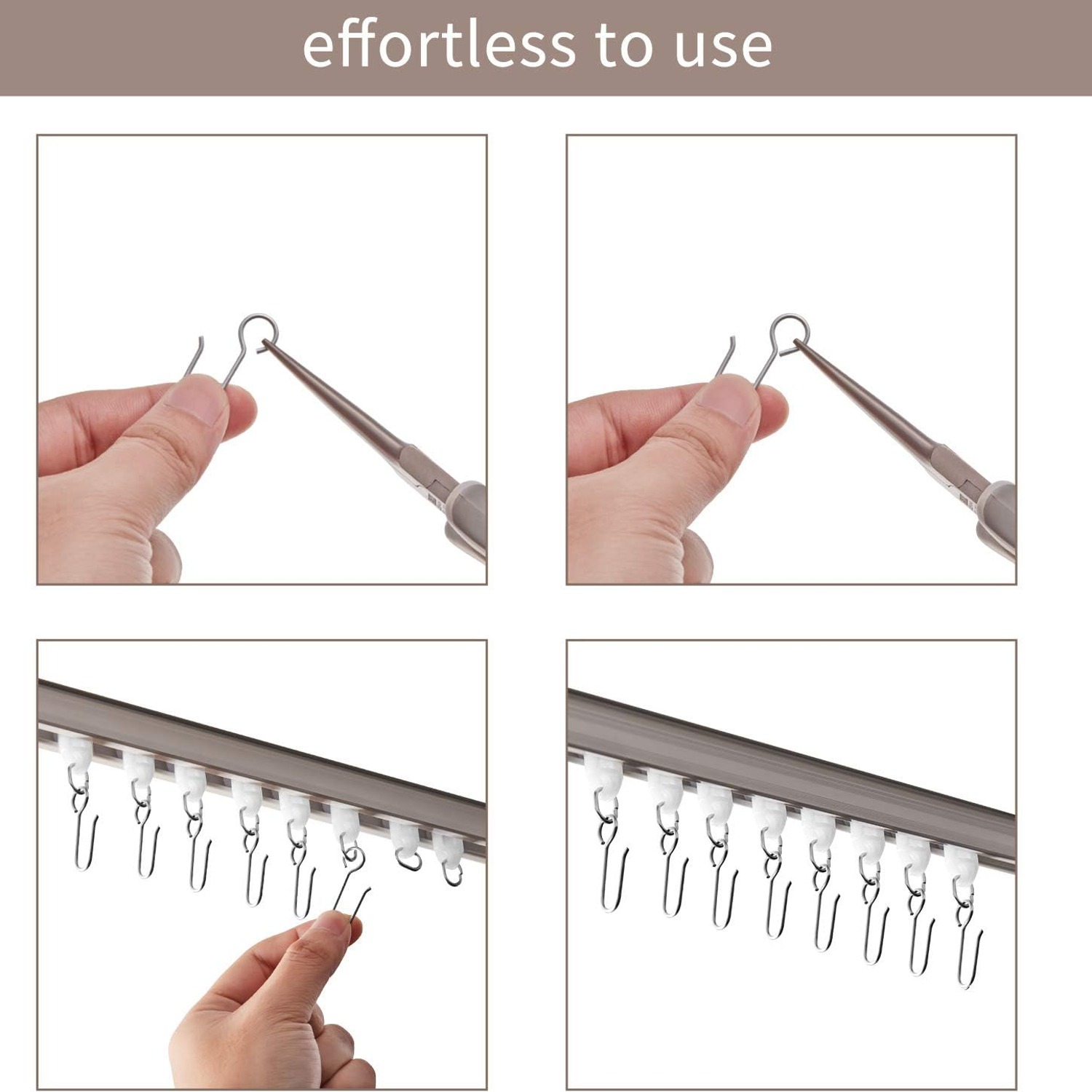
The hook bridges the two. One leg goes up into a tape pocket. The other end catches the glider loop. The curtain now hangs from the glider, and the glider slides in the track. Nothing is screwed, glued or clipped.
That is why the S shape matters. The curve on each end is what locks the hook into place when weight is applied. Pull up on a curtain and the hook actually grips harder. Let it go slack and you can lift it straight out, which is exactly what you want when the curtains come down for a wash.
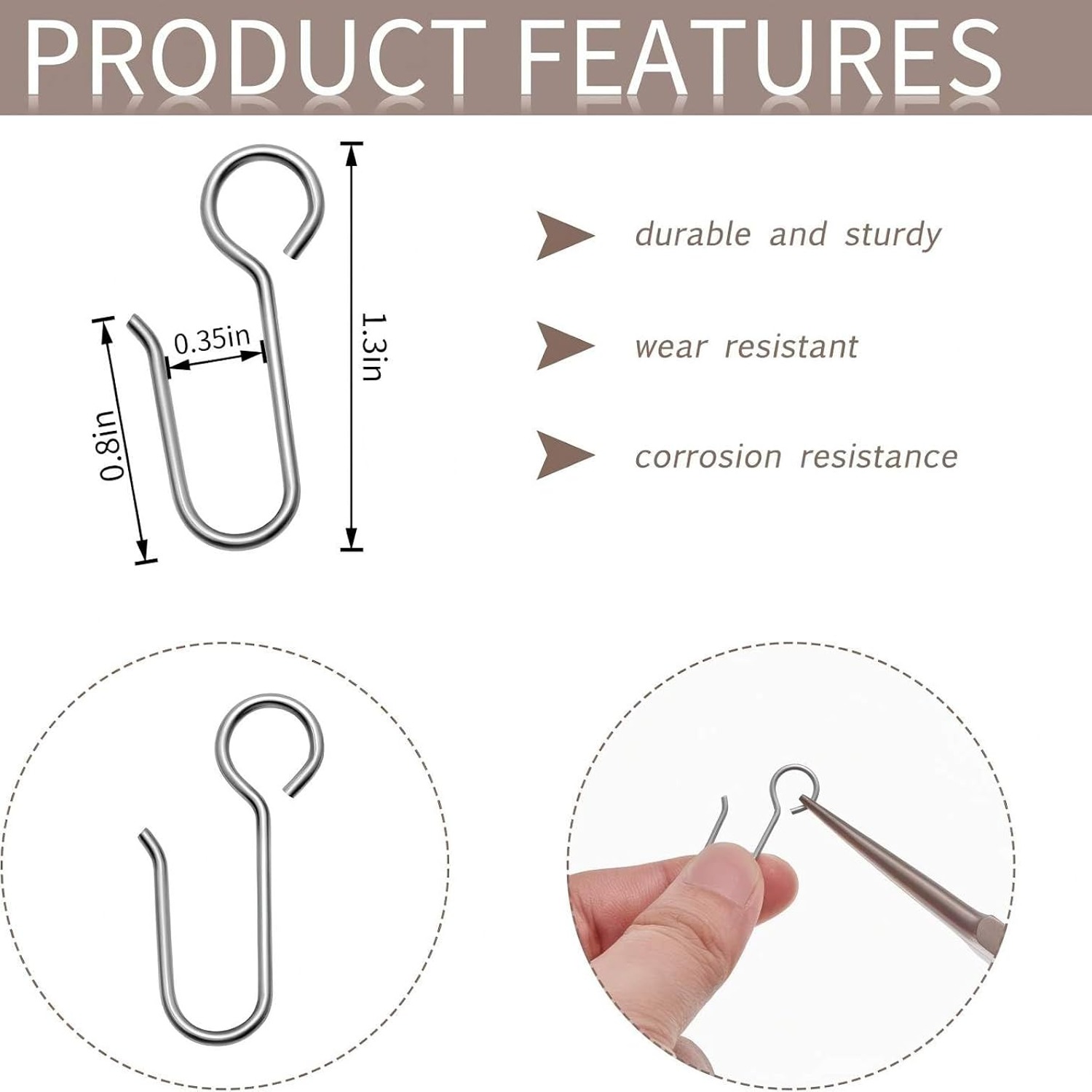
These hooks measure 0.35 inches in width and are finished in silver. The slim profile is deliberate. A chunky hook pushes the pleats apart and leaves a visible gap at the top of the curtain. A narrow hook disappears behind the fabric.
Who this pack suits
This is a replacement pack rather than a system. It makes most sense if one of these is true for you.
You have inherited curtains in a new place and some of the hooks are missing or broken. This happens constantly with rentals and older homes. Sixty hooks is enough to redo every window and still have a handful left.
You have just had curtains made or bought a new pair and they came without hooks, which is normal for made-to-measure work. The maker supplies the curtain and the tape, and you supply the hardware.
You are tired of replacing plastic ones every couple of years. If you have heavy winter drapes, a set of sturdy metal curtain track hooks is a one-time fix for a recurring annoyance.
Or you simply want spares in a drawer. Hooks go missing during washing more reliably than socks.
Checking the fit before you order
Fit comes down to two questions, and both take about thirty seconds to answer.
First, look at the top of your curtain. Is there a woven band with small horizontal pockets? That is heading tape, and these hooks are designed for it. If instead you see metal eyelets punched through the fabric, or fabric loops sewn on, hooks are not used in that system at all and this pack will not help.
Second, look at what is hanging from your track or pole. You want to see a small loop, ring or hole on each glider. The hook drops into that. If your gliders have a solid snap-fit clip with no loop, your curtains use a different attachment and you need that specific glider type instead.
If both answers check out, these will fit. The one remaining variable is hook length, which affects how far below the track the curtain sits. The listing gives the item width as 0.35 inches but does not state overall length, so if you are matching an existing hook exactly, compare the photos against the hook you already have. In practice, most domestic S hooks sit within a few millimeters of each other, and heading tape with multiple pocket rows lets you adjust the drop anyway.
Spacing and hanging
Once you have the right part, hanging is quick but worth doing with a little care.
Spread the hooks evenly. For pencil pleat curtains, roughly one hook every 8 to 10 centimeters gives a flat, even hang without strain on any single point. For pinch pleat curtains, the pleats themselves set the spacing, so put a hook behind each pleat and one at each outside edge.
Use the same tape row for every hook on a curtain. If one hook is in the top row and the next in the middle row, the hem will dip. If the whole curtain hangs too low and pools on the floor, move every hook up one row and the problem usually solves itself.
Hook the two end hooks last. Get the body of the curtain on the track first, then deal with the leading edge and the wall end. It is far easier than wrestling the whole thing at once.
Looking after them
These are low maintenance by nature, but a few habits help.
Take the hooks out before washing curtains. Always. A forgotten hook can snag fabric, mark a drum, or vanish into the machine. Drop them into a small container as you remove them so the count stays right.
Wipe them occasionally with a dry or barely damp cloth. Dust settles on anything near a window. Dry them fully before rehanging, especially in a kitchen or bathroom. The finish is listed as corrosion resistant, which helps in humid rooms, though no metal hardware benefits from sitting wet.
Avoid solvents and abrasive pads. There is nothing to gain from scrubbing a curtain hook, and you can easily scratch the finish.
Store spares somewhere sealed and dry. A small jar or zip bag works. Loose hooks in an open drawer have a talent for disappearing.
When these are not the answer
Honesty helps more than a sales pitch. If your track gliders are cracked, worn or sticking, new hooks will not fix the problem. The curtain will still drag because the glider is the part doing the sliding. Replace the gliders first.
If your track itself is bent or has come loose from the wall, that is a mounting job rather than a hardware job. And if your curtains are eyelet or tab top, no hook of any kind will attach to them.
For everything else, which is the large majority of domestic curtains, a hook is a hook and a good metal one lasts a very long time.
The short version
If your curtains hang from heading tape onto a track or a ringed pole, these are the standard part. Sixty silver S hooks in metal with a corrosion-resistant finish, slim at 0.35 inches wide, no tools needed. Check that your curtain has tape pockets at the top and that your gliders have loops underneath, and you are good. Replace every hook on a curtain at once rather than patching one at a time, keep the leftovers somewhere dry, and you will probably not think about curtain hooks again for years. Which is exactly how it should be.