


The complete guide
How to Choose and Fit Curtain Track Gliders
The problem nobody notices until it annoys them
Curtains fail quietly. One morning the panel catches halfway across, you give it a tug, and it jerks the rest of the way. A week later it does it again, in the same place. Eventually you stop drawing that curtain fully, or you learn to lift and flick it past the sticky spot. The rail is fine. The curtain is fine. It is the little plastic runners inside the track that have given up.
Old gliders wear in predictable ways. The sliding surface goes rough, a wheel splits, a hook ring snaps off and the panel sags at one point. Dust and lint pack into the channel and turn a smooth slide into sandpaper. None of that needs a new track. It needs new runners, and that is a job most people can finish in under half an hour.
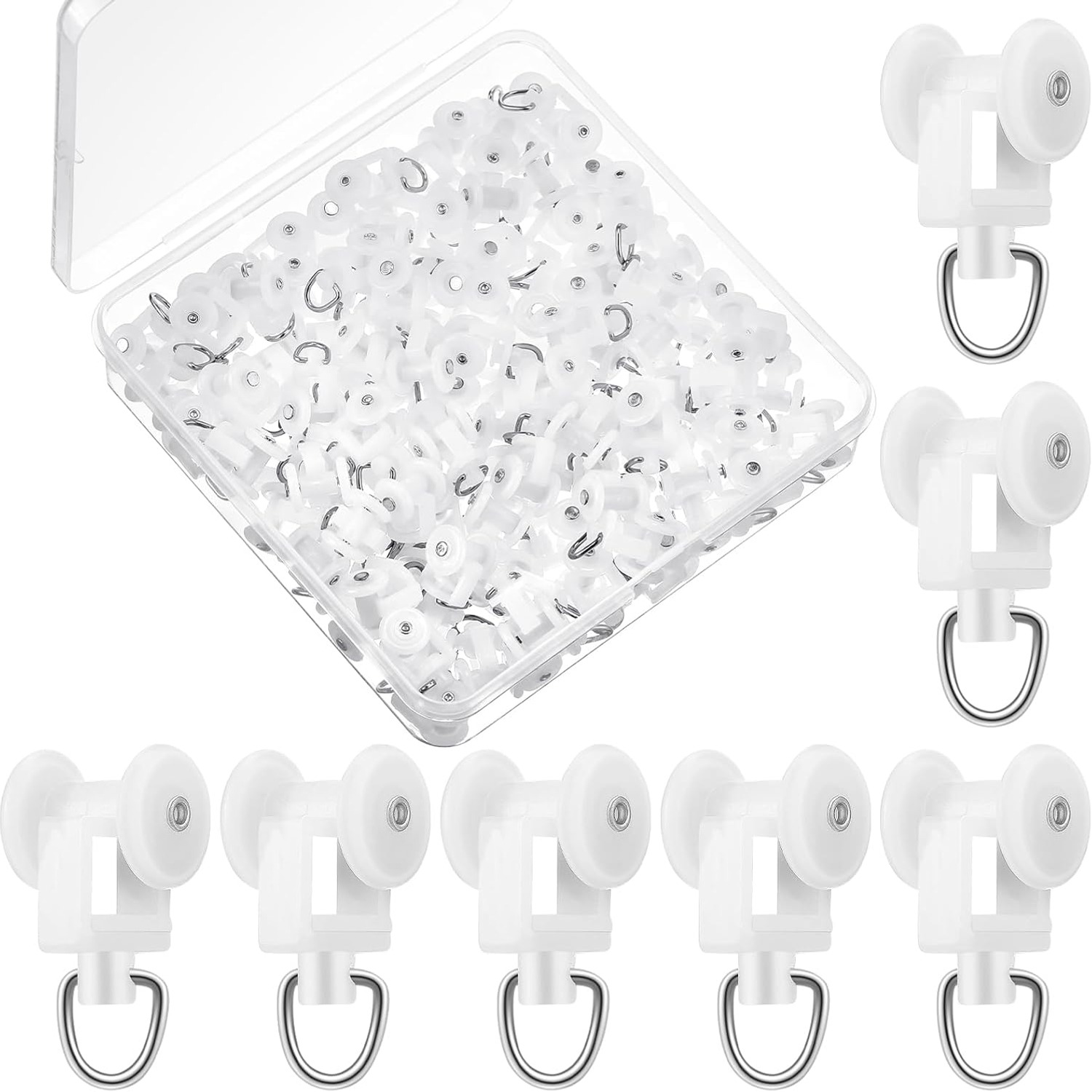
A box of 100 gliders sounds excessive until you count what a house actually needs. A single pleated curtain across a wide living room window can swallow 20 or more. Two bedrooms, a bathroom and a room divider will use most of a box. Having spares left over is the point, because the next failure tends to turn up a year or two later and you will be glad you did not have to reorder.
How a dual wheel glider works
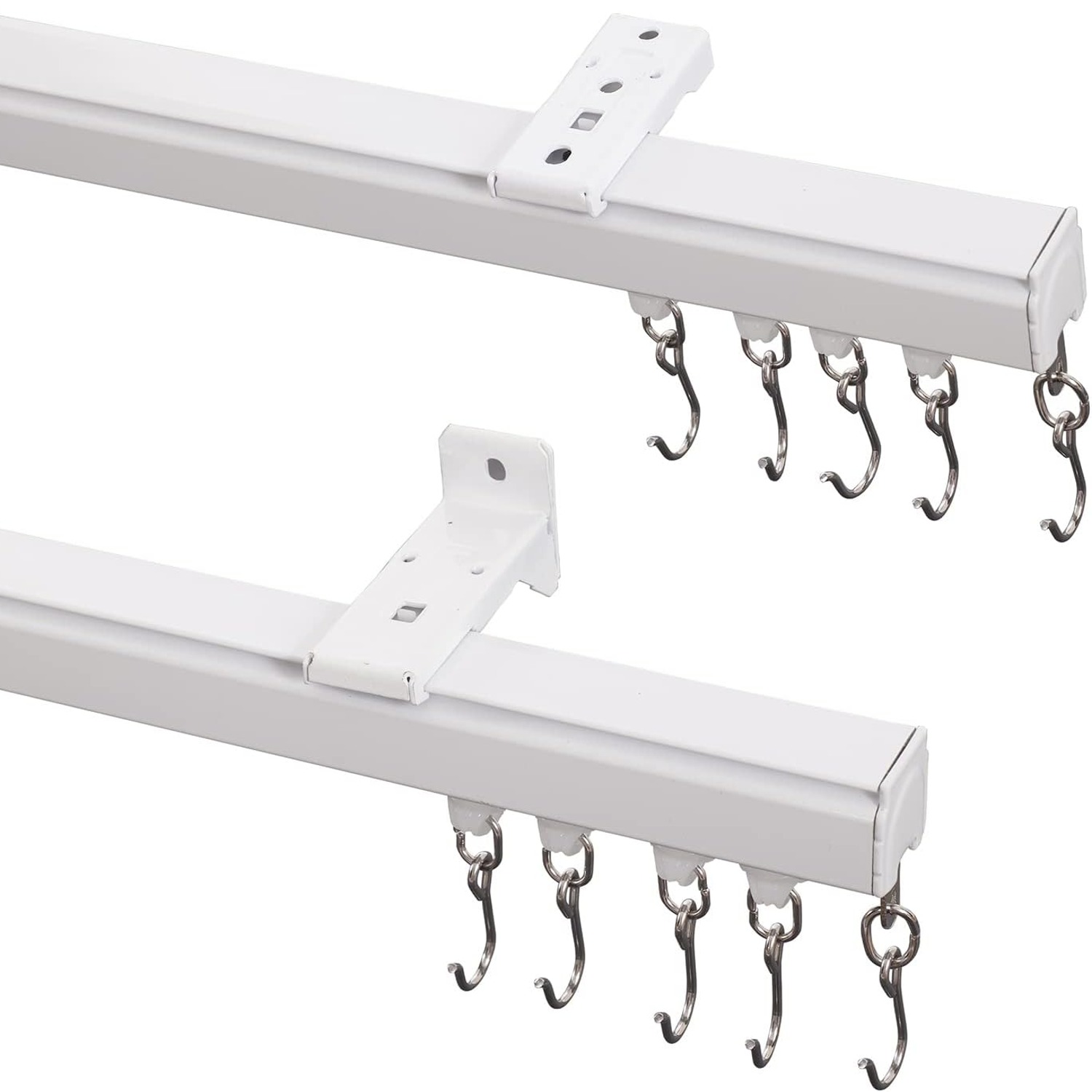
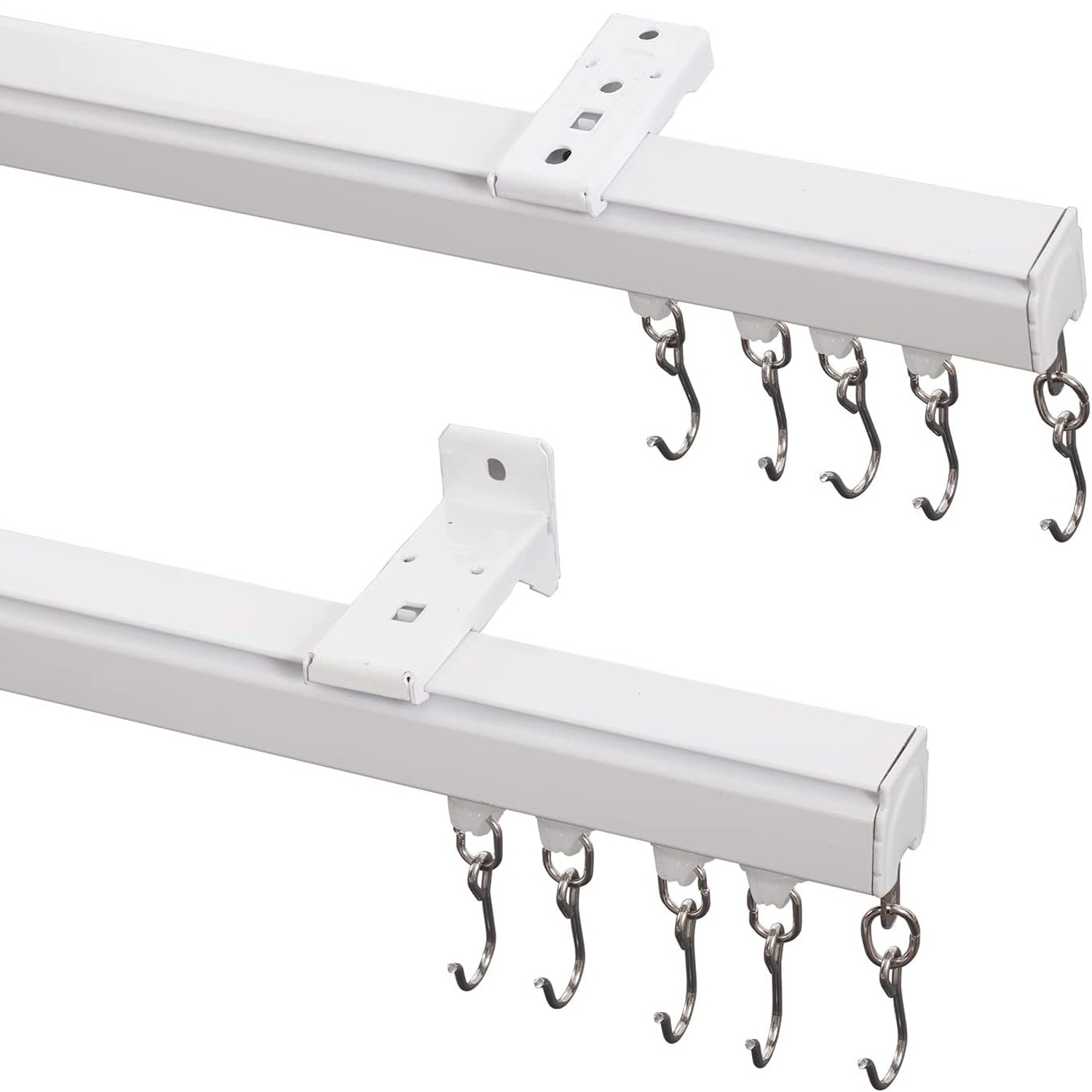
A basic curtain runner is a moulded plastic shape that slides along the inside of the track. It works, but every pull grinds plastic on plastic. Over time, both the runner and the track get scratched, and friction climbs.
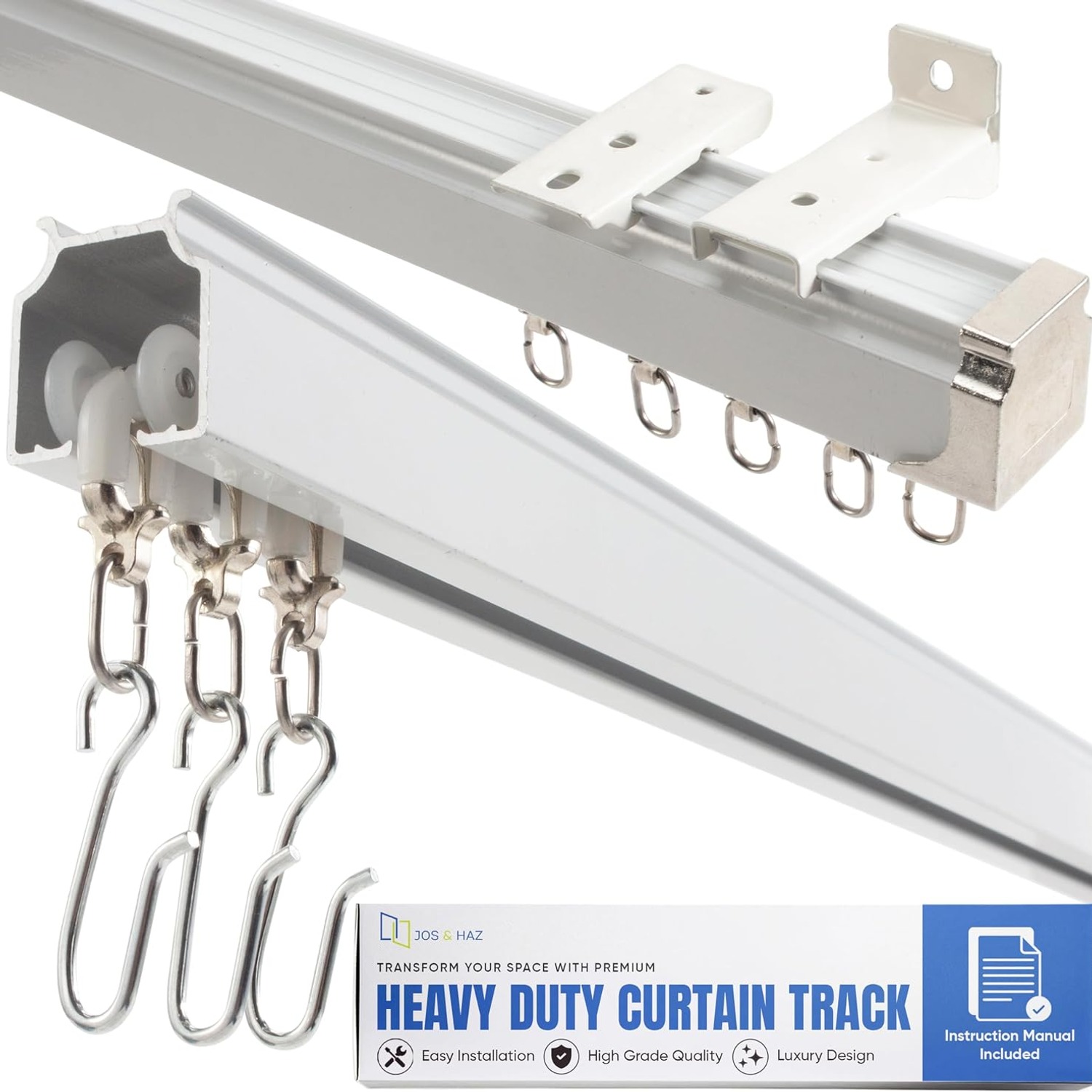
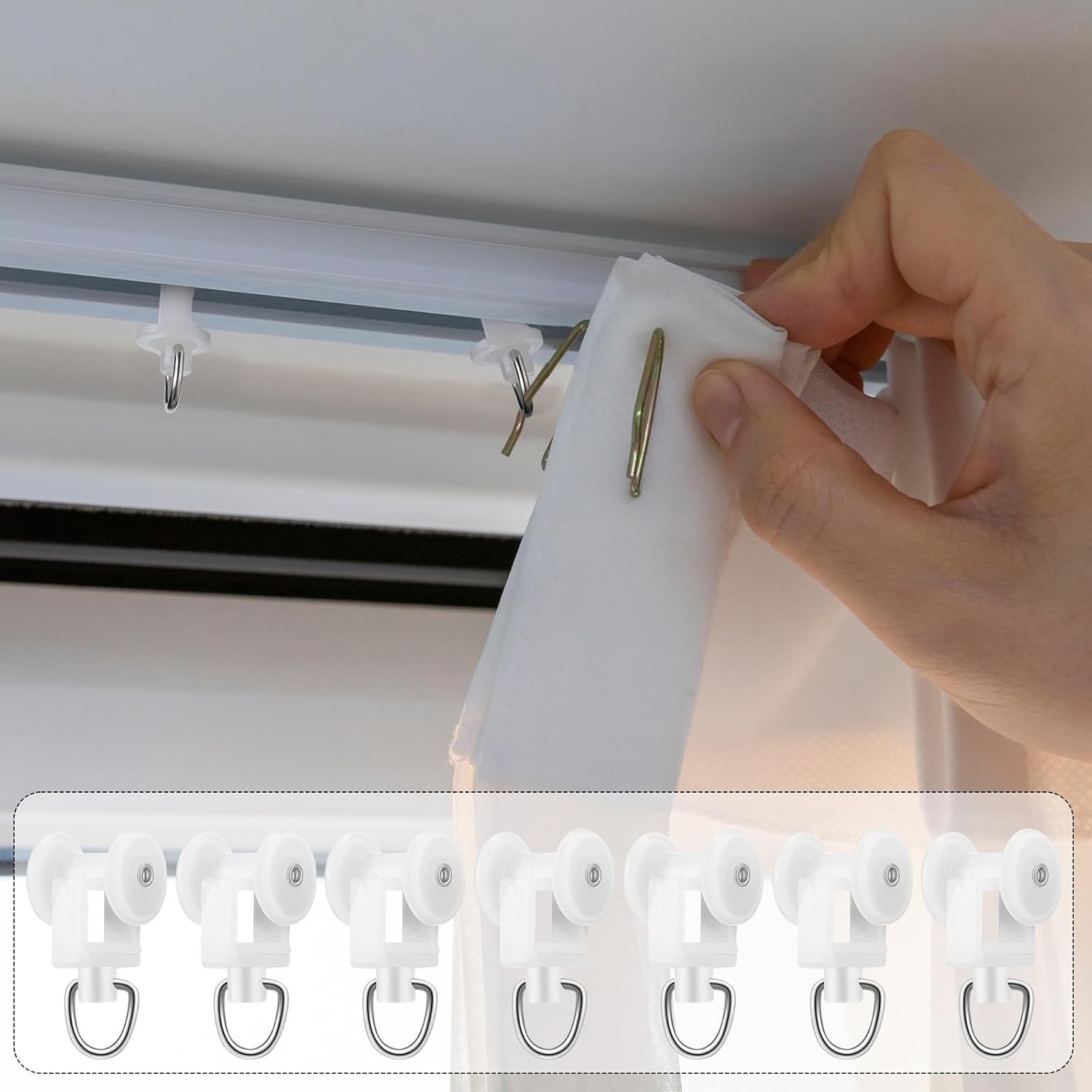
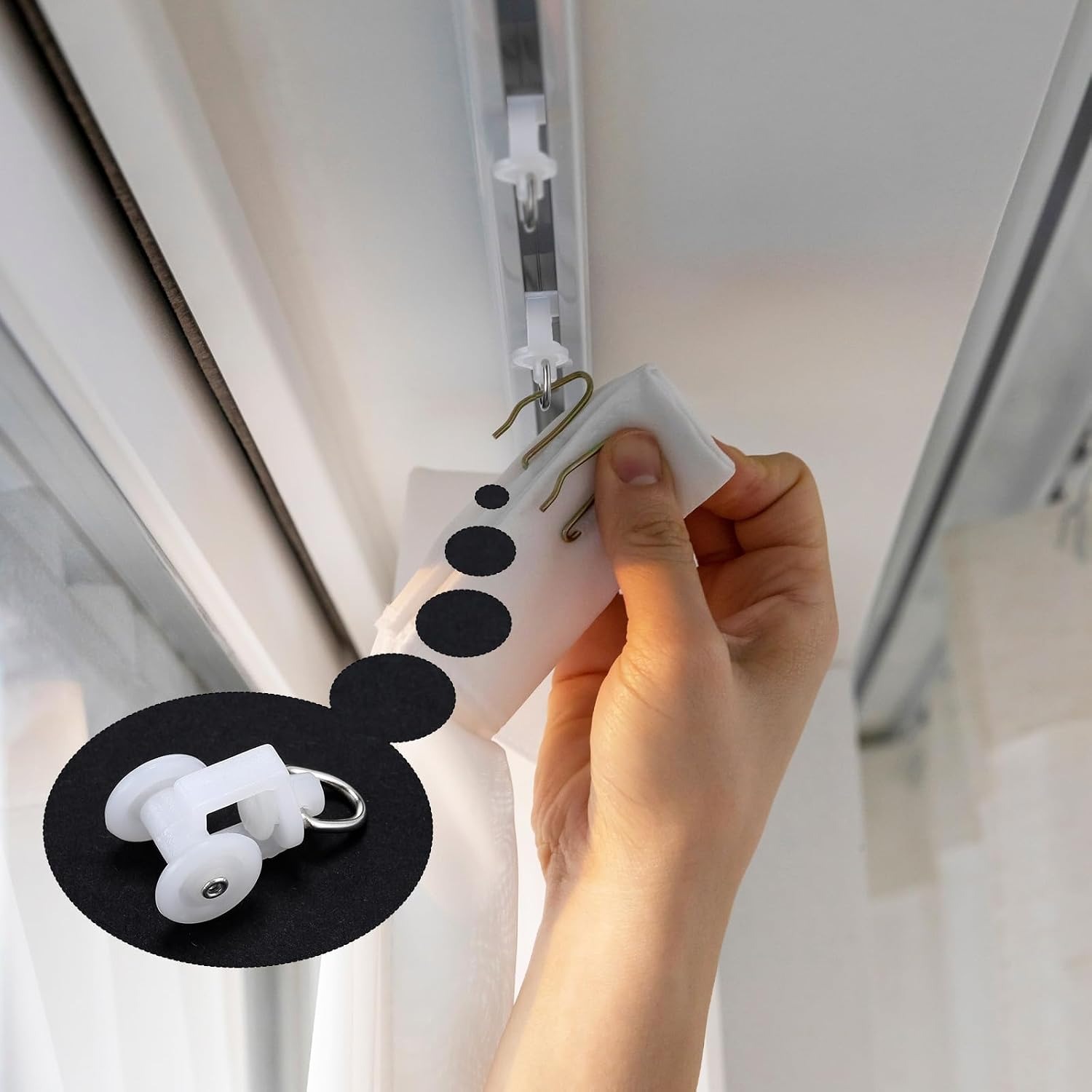
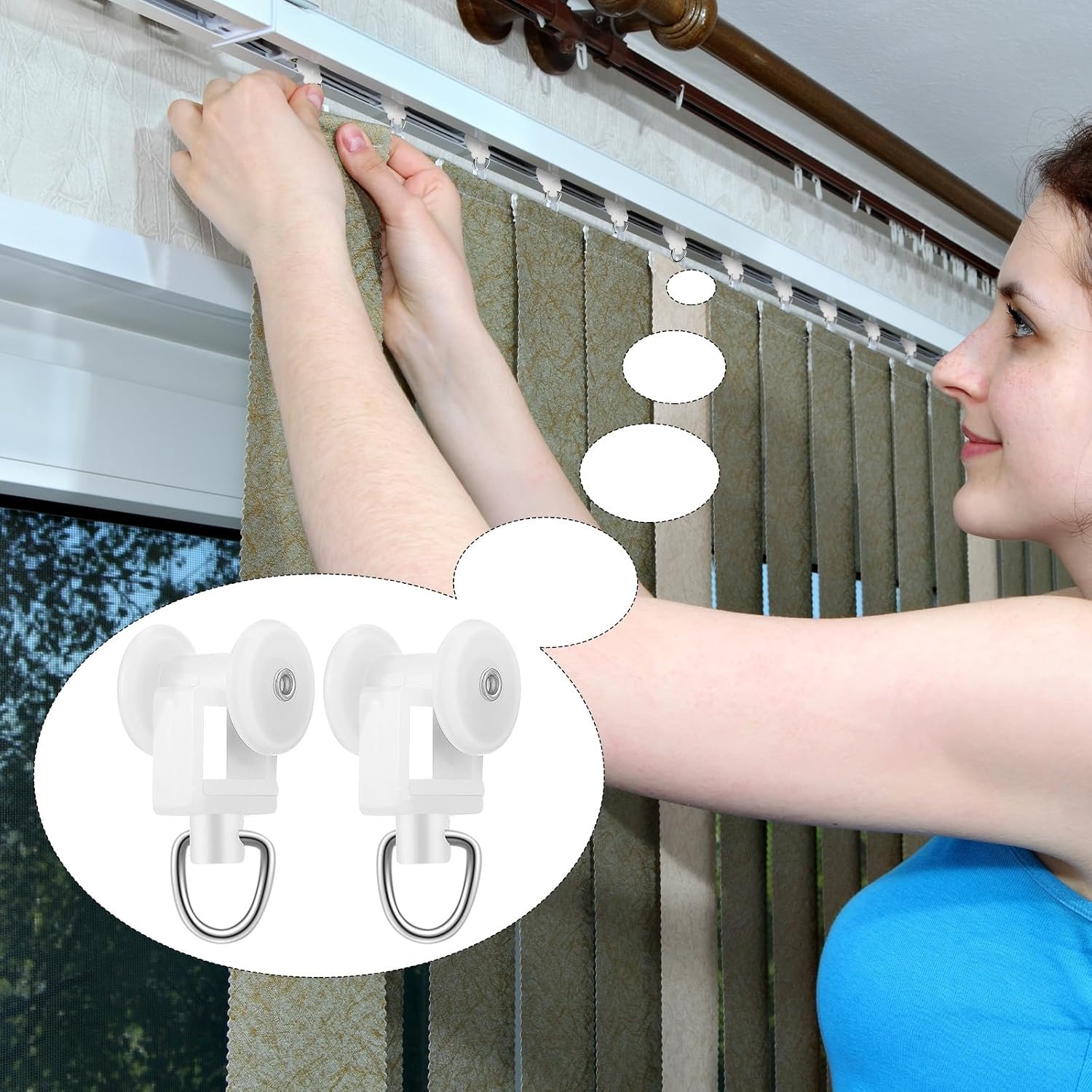
A dual wheel glider swaps sliding for rolling. The body carries two small wheels, one on each side, that sit in the channel and turn as the curtain moves. Less surface is touching the track, so there is less drag and less of that scraping sound. Two wheels also keep the body upright. A single wheel design can tilt under load and wedge itself in the rail, which is exactly the catching problem you were trying to fix.
Underneath each body is a stainless steel D-ring. That is the connection point for your curtain hooks. Steel matters here because the ring takes all the weight and sees the most movement. It also means a bathroom installation will not leave you with a rusty orange streak down the hem of a shower curtain.
The numbers on this set are worth noting before you buy. Overall glider width is 0.55 inches, and the design targets the thin slot you find in common ceiling and wall mounted curtain rails. Each piece is light, which is why 100 of them ship at 0.17 kg.
Who these suit
Think about weight first. These are built for light to medium curtains. Sheers, voiles, decorative panels, shower curtains, closet and room dividers, RV and caravan window curtains, and ordinary kitchen or bedroom drapes all sit comfortably in that band.
Thick, lined blackout curtains are a different story. A heavy panel pulled hard twice a day puts real strain on a plastic wheel housing, and that is where cracks begin. If your curtain feels heavy when you lift the whole thing off the rail, look for a heavy duty metal carrier instead. The same goes for wide industrial track, large commercial rails and outdoor sun shades.
People most likely to be happy with a box like this are renovators working through a house room by room, landlords keeping a maintenance kit stocked, caravan owners who want spares in the van, and anyone who has inherited a perfectly good track with tired runners in it. If you are hunting for the best curtain track gliders for a straightforward domestic rail, this is the sort of thing you want.
Checking the fit before you order
This is the step most people skip and then regret. Curtain track is not standardised, and a glider that is a millimeter too wide simply will not go in.
The easiest check is to pull one existing runner out of the track. Most rails have a removable end stop or an open end for exactly this reason. Measure the widest point of the old runner and compare it to the 0.55 inch overall width here. If they are close, you are in business.
If you cannot get a runner out, measure the opening of the channel on the underside of the rail and have a look at the shape of the slot. Narrow slots with a simple lip are what these are made for. Broad, deep channels with a heavy internal carrier are not.
Take a photo of the track end-on while you are there. It makes any conversation about compatibility much faster, whether that is with us or with a hardware shop.
Fitting them without breaking anything
Start by taking the curtain down and removing the old runners. Then clean the track. A vacuum with a crevice tool, followed by a dry cloth wrapped around a ruler, will pull out years of dust and lint. This single step fixes more sticking curtains than any new hardware.
Feed the new gliders in through the open end, one at a time, and count as you go. Work out how many you need per panel first. For pleated curtains, one glider roughly every 10 to 15 cm is a common spacing, but let the pockets in your heading tape decide. Lighter sheers can space wider.
Refit the end stop, then hook the curtain on. The main warning here is about pressure. Do not squeeze or lever the plastic wheel base to force a glider into place. If it does not slide in with gentle pressure, it is the wrong size and forcing it will only split the housing.
Hang the curtain and run it fully open and closed a few times. Watch for a glider that lags behind the others, as that usually means a hook in the wrong pocket rather than a faulty part.
Keeping them running
Maintenance is minimal. Every six months or so, run a dry cloth through the track to clear dust. Do not oil the wheels. Lubricant feels like an improvement for a week, then collects grit and makes things worse.
If a glider does need cleaning, wipe it with a damp cloth and dry it before putting it back. Keep bleach, solvents and abrasive pads away from the plastic. In a bathroom, an occasional wipe stops soap film building on the wheels.
Store the spares in the clear box they came in. It sounds obvious, but loose gliders rattling around a drawer have a habit of disappearing, and a labelled box in a cupboard is worth the thirty seconds it takes.
The short version
If your curtain catches, sticks or drops at one point, the runners are usually the culprit, not the rail. Dual wheel gliders roll instead of drag, which makes the pull quieter and smoother, and the stainless steel D-ring takes any standard curtain hook.
Measure your track slot before you buy, since 0.55 inches overall is the fit these are made for. Stick to light and medium curtains and leave the heavy lined blackout panels to sturdier metal carriers. Clean the channel while the curtain is down, fit the gliders gently, and put the rest of the hundred away for next time.
For most homes, this is a small, cheap fix that quietly restores something you use every single day.